A CAS Number (formally a CAS Registry Number) is a numeric identifier assigned by the Chemical Abstracts Service, a division of the American Chemical Society, to a single defined chemical substance. Each number contains up to ten digits split into three groups by hyphens. The final digit is a check digit, calculated from the others, which helps catch transcription errors when the number is copied between documents. Because the number belongs to the substance rather than to any name, it stays the same whatever trade name, abbreviation or language a supplier happens to use.
Why it matters in the lab
Peptides are frequently known by several names. One sequence may appear in the literature under a systematic name, a common name, a three-letter-code string and a catalogue abbreviation. A CAS Number cuts through that ambiguity. When a laboratory compares a supplier listing with a published method, an internal inventory record or an import document, matching the CAS Number is one of the quickest ways to confirm that everyone is describing the same compound.
Different salt forms, terminal modifications or protecting groups can carry different CAS Numbers. A peptide isolated as a trifluoroacetate salt, for example, may be registered separately from the free base. For that reason the number should always be read alongside the amino acid sequence, the stated counter-ion and the molecular weight rather than on its own.
Where you will see it
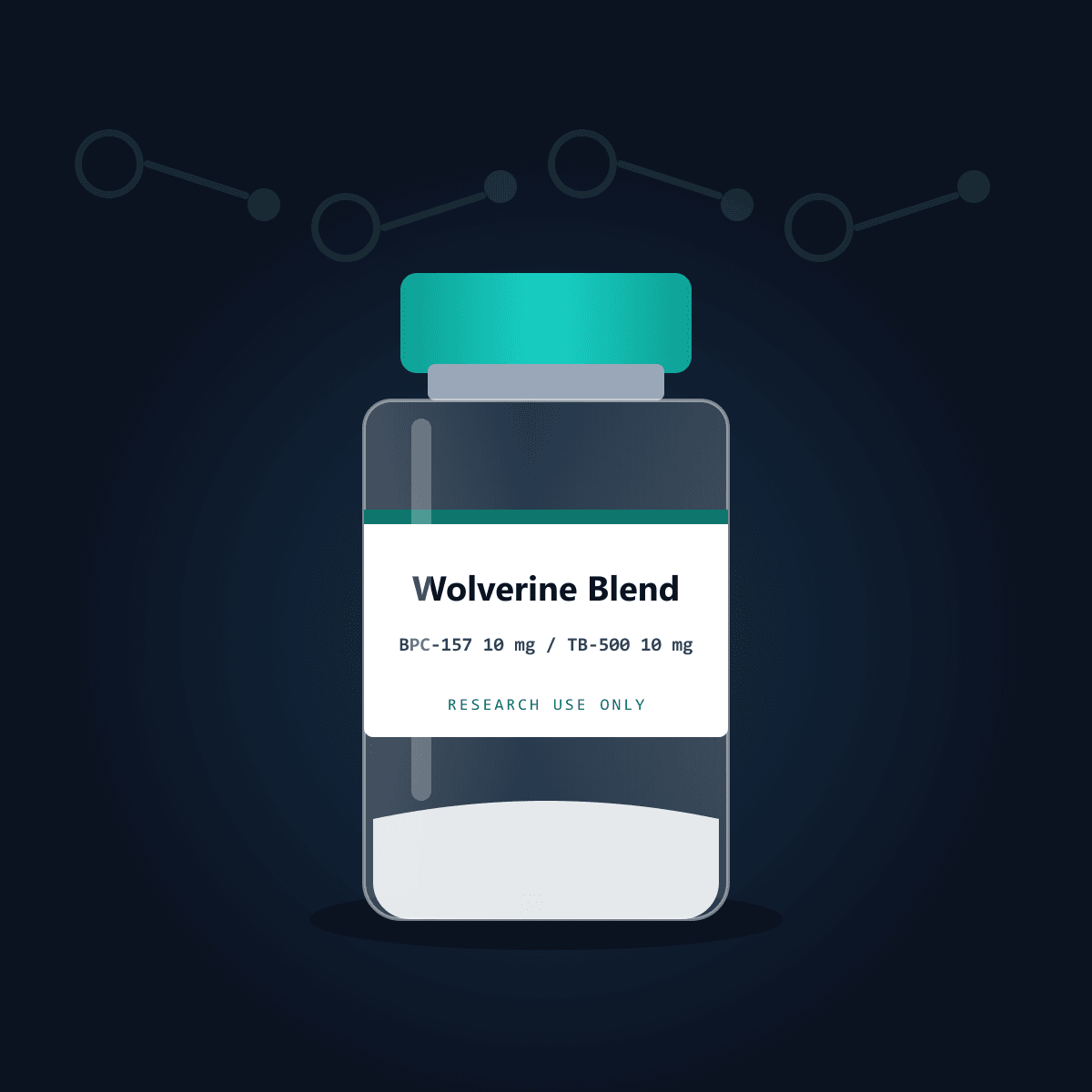
On our product pages the CAS Number appears in the specification table next to the sequence, molecular formula and molecular weight. The listings for Substance P and Angiotensin II are typical examples. The same identifier is printed on the vial label and on the certificate of analysis issued for each batch, so all three documents can be cross-checked when an order arrives.
Limits of a CAS Number
A CAS Number tells you what a substance is. It says nothing about how pure a particular batch is, how much water or counter-ion it contains, or how it has been stored since manufacture. Those questions are answered by batch-specific analytical data such as HPLC purity and mass spectrometry results. Our Quality & Testing page explains how those checks fit together with the identifiers shown on each listing, and why both are needed for reliable record-keeping.